
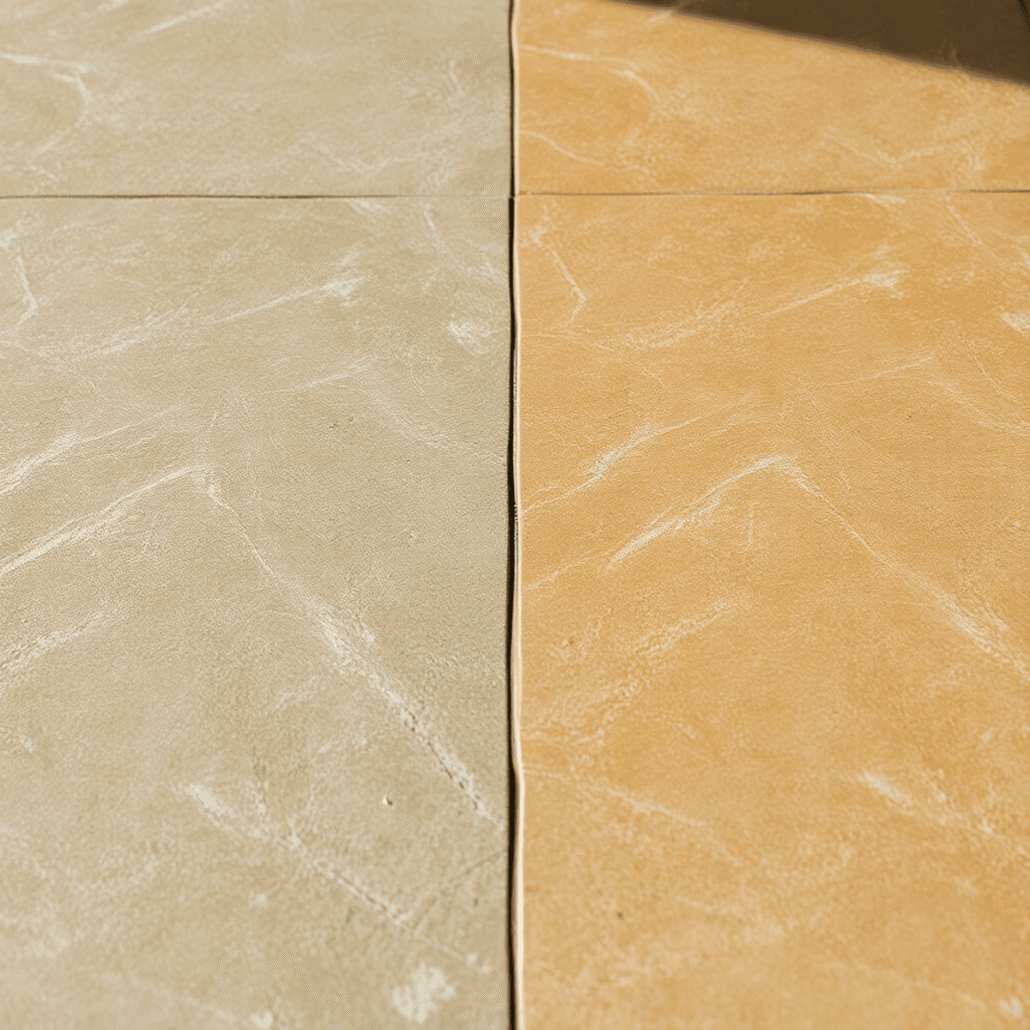
Why does my stone floor look dull? Common causes and solutions
If you have a stone floor, you probably chose it for one simple reason. It looks great. It feels solid. It has character.
So when it starts looking flat, cloudy or just a bit tired, it is frustrating. You clean it. You mop it. You buy a “stone” product from the supermarket. And somehow it still looks dull.
Why does that happen? And more importantly, what can you do about it without making things worse?
I work with stone and tile floors every day at Tile & Stone Medic. We clean, restore and protect natural stone, tile and other hard surfaces across domestic and commercial spaces. Below are the most common reasons stone floors lose their shine, plus practical solutions that actually work.
What “dull” usually means on a stone floor
Before you reach for a new cleaner, it helps to define the problem. When most people say their stone floor looks dull, they usually mean one of these:
- A hazy film that catches the light
- Patchy shine, where some areas look brighter than others
- A generally faded look, even after cleaning
- A rougher feel underfoot compared to when it was new
- Dark traffic lanes, especially in kitchens and entrances
Different causes create different types of dullness. Getting the cause right saves time and prevents damage.
1. There is a residue film on the surface
This is one of the biggest culprits. Stone floors often look dull because something is sitting on top of the stone.
Common residue sources include:
- “No rinse” floor cleaners that actually leave product behind
- Too much detergent in the mop bucket
- Soaps and oil-based products marketed as “shine boosters”
- Cleaning wipes and sprays that leave a coating
- General grime that has built up in layers
Why does residue dull the floor? Because it scatters light. Instead of light reflecting cleanly from the stone’s surface, it bounces off a thin uneven layer.
What you can do:
- Stop using multi-purpose cleaners, soaps and anything that promises a shine
- Use a pH neutral stone-safe cleaner, properly diluted
- Change your water often during mopping. Dirty water simply spreads grime
- Rinse with clean water after cleaning if you suspect residue
If the film has built up over months or years, routine mopping usually will not shift it. That is where professional deep cleaning makes a visible difference because we use the right chemistry and machinery to remove the build-up without harming the stone.
For more effective solutions to restore your stone floor’s shine, consider exploring our stone floor care tips. If you’re planning an event and need your venue’s hard floors to be in top shape, our deep cleaning and restoration services are just what you need. We also offer professional cleaning services tailored specifically for stone floors to ensure they regain their original lustre.
2. The wrong cleaning products have etched the stone
Etching is not dirt. It is damage.
Many stones, especially marble, limestone and travertine, react with acids. That includes:
- Vinegar and lemon-based “natural” cleaners
- Descalers and bathroom sprays
- Some kitchen cleaners and anti-bacterial sprays
- Grout haze removers used incorrectly
- Acidic spills like wine, fruit juice and some fizzy drinks
Acid reacts with calcium carbonate in the stone and leaves a lighter, dull mark. On polished marble, it often looks like a cloudy patch. On honed stone, it can look like a pale, flat area that will not clean off.
What you can do:
- Avoid acidic products completely on acid-sensitive stone
- Blot spills quickly, rinse with water then dry
- If you see dull rings or patches that do not improve with cleaning, you are likely dealing with etching
The solution is usually restoration, not cleaning. At Tile & Stone Medic, we mechanically refinish the stone using specialist abrasives to remove the damaged layer and restore the original finish, whether that is honed, satin or polished. You can find our services for stone floor cleaning and restoration in Birmingham, Dorset, Gloucestershire, and Manchester as well as offering nationwide stone floor cleaning and restoration services.
3. The sealer has worn unevenly or is failing
Sealing helps protect stone from staining and makes cleaning easier. But sealers do not last forever. And they do not always wear evenly.
You might notice:
- Dark patches where water soaks in quickly
- Patchy appearance after mopping
- Areas that look “thirsty” and faded
- Traffic lanes that look duller than the rest
A worn sealer can make the stone look tired because dirt gets into the pores more easily, and moisture behaves unpredictably on the surface.
What you can do:
- Do a simple water test in an inconspicuous spot: place a few drops of water on the stone and wait 10 to 15 minutes. If it darkens quickly, the stone is absorbing water and the sealer may be weak or gone
- Avoid “quick seal” products unless you are sure they are suitable for your stone and finish
- If the floor is heavily soiled, clean it properly before resealing. Sealing over dirt locks the problem in
In many cases, the best approach is a professional clean and seal. We can remove embedded soil, neutralise residues and apply the correct sealer for the stone type and the way the space is used.
4. The finish has been worn down by foot traffic
Even hard stone wears. Entrances, hallways and kitchen walkways take constant abrasion from shoes, grit and chair legs. Over time, that micro-scratching reduces light reflection and the floor looks dull, even if it is spotless.
This is especially noticeable on:
- Polished marble
- Polished limestone
- Polished travertine
- Softer stones in busy family homes
- Commercial areas with heavy footfall
What you can do:
- Use doormats inside and outside. Grit is the biggest enemy of shine
- Sweep or vacuum frequently with a soft floor head
- Add felt pads to furniture
- Avoid rough brushes and abrasive pads
If the stone has lost its finish, it typically needs professional re-honing and polishing, not stronger cleaners. Stronger cleaners can strip, etch or leave residues, but they cannot remove wear scratches.
5. Ground-in dirt is trapped in textured or riven stone
Not all stone is smooth. Slate, riven limestone and other textured finishes can hold grime in the surface profile. Mopping tends to glide over the top and leaves the dirt behind.
Signs this is the issue:
- The floor looks darker in the low spots
- Grout lines look permanently dirty
- The floor improves slightly when wet, then looks dull again once dry
What you can do:
- Use a pH neutral cleaner and agitation, not just a mop
- Use a soft brush for textured areas and grout lines
- Rinse thoroughly and extract dirty solution where possible
For many homes, this is where professional equipment matters. Rotary machines, controlled water use and proper extraction lift soil from the texture and grout, rather than spreading it around.
In addition to these tips, it’s important to remember that different types of stone require different care methods. For instance, a granite floor, known for its durability, may need less frequent maintenance compared to a sandstone floor, which is softer and more porous. Similarly, quarry tile floors have their own specific care requirements that should be followed for longevity.
6. The grout is making the whole floor look tired
Sometimes the stone is fine, but the grout is not. Dull floors often come with:
- greyed grout in kitchens and bathrooms
- blackened grout in showers or entrance areas
- grout haze left after installation
- patchy grout colour from inconsistent cleaning products
Because grout frames every tile, dirty grout drags down the overall look.
What you can do:
- Avoid bleach on coloured grout and avoid harsh alkaline degreasers used too often
- Clean grout with appropriate products and gentle agitation
- Consider sealing grout where suitable to reduce future staining
We often restore the overall appearance of a floor by cleaning the grout properly, then sealing it to make maintenance easier. For more information on how we achieve this, check out our restoration services.
7. There is a coating on the floor that has gone cloudy
Some stone floors, especially in older properties or commercial settings, have been treated with surface coatings, acrylic finishes or waxes. These can look good initially, but they can also:
- trap dirt
- turn yellow
- go cloudy with moisture
- wear in traffic lanes
- become slippery or tacky
If you have a dull, uneven shine that looks like it is in a layer, not in the stone, there may be a topical coating present.
What you can do:
- Do not add more “shine” product on top
- Avoid high-pH strip products unless you know exactly what the coating is and what the stone can tolerate
- Get it assessed professionally, especially on marble or limestone
Coating removal is a common part of professional restoration. Done correctly, it can reveal the stone’s natural finish again. After that, we can advise on sealing and ongoing care using our floor sealing advice.
8. Moisture issues are affecting the appearance
Moisture can make stone look dull or patchy in several ways:
- Water sitting in micro-pores creates a darker, uneven look
- Rising damp can bring salts to the surface which leave a white powdery residue
- In bathrooms, constant moisture can combine with soap residues to create a dull film
- Inappropriate cleaning methods can overwet the floor and slow drying, leaving marks
What you can do:
- Keep cleaning water controlled. More water is not better
- Dry the floor after mopping if it is slow to dry
- Improve ventilation in bathrooms and utility rooms
- If you see persistent white deposits, seek advice before scrubbing. Efflorescence can have underlying causes
If moisture is coming from below or through the substrate, the right solution may involve more than cleaning. We can help identify what is happening and recommend next steps.
9. The stone was installed with the wrong aftercare, or never finished properly
Sometimes dullness is not “age”. It is how the floor has been treated since day one.
Examples include:
- Builders’ cleans carried out with acidic products on sensitive stone
- Grout haze that was never fully removed
- The wrong sealer used, leaving patchiness
- A polished stone that was later treated as if it were porcelain
What you can do:
- If your floor has looked underwhelming since installation, do not assume that is as good as it gets
- A professional deep clean, corrective treatment and sealing can dramatically improve the look and make it easier to maintain. Such comprehensive deep cleaning services are essential for achieving optimal results.
We see this often in Victorian properties too, including Minton tiled hallways and other heritage floors that need specialist care rather than off-the-shelf cleaning. It’s important to remember that using inappropriate floor cleaning solutions could exacerbate the problem rather than solve it.
In cases where moisture issues are affecting your stone flooring, it’s crucial to control the amount of water used during cleaning as more water isn’t always better. Also, drying the floor after mopping if it takes too long to dry and improving ventilation in bathrooms and utility rooms are key steps to take. If you’re dealing with persistent white deposits due to rising damp or efflorescence, it’s advisable to seek professional advice before attempting any scrubbing.
For those who have recently installed stone floors and are disappointed with their appearance, it’s worth noting that sometimes this dullness isn’t due to age but rather how the floor has been treated since its installation. Examples include builders’ cleans done with acidic products on sensitive stone or grout haze that was never fully removed. In such cases, a professional deep clean followed by corrective treatment and sealing could significantly enhance both the appearance of your floor and ease of maintenance.
This is especially true for heritage properties featuring Minton tiled hallways or other similar floors which require specialised care rather than standard cleaning methods.
How to bring back the look safely: a simple action plan
If you want a sensible way forward, here is the order I recommend. It avoids guesswork and prevents accidental damage.
Step 1: Identify your stone type and finish
Is it marble, limestone, travertine, slate, sandstone, granite or something else? Is it polished, honed, tumbled or riven?
If you are not sure, take a clear photo and we can often help you narrow it down.
Step 2: Stop using any acidic or “shine” products
This one change prevents most long-term issues.
Step 3: Deep clean the floor properly
A pH neutral cleaner, correct dilution, agitation and thorough rinsing are key. If the floor still looks dull after this, the issue is likely wear, etching or coating failure. You may want to consider professional stone floor cleaning services for best results.
Step 4: Decide whether you need sealing or restoration
- If the stone absorbs water and stains easily, sealing is usually the next step
- If the floor has etching, scratches or a worn finish, restoration is the real fix
- If there is a cloudy coating, it may need removal and replacement with the right protection
When it is time to call in a professional
Could you keep trying different products? You could. But do you really want to experiment on a floor that cost a lot to install?
It is worth getting help when:
- The floor looks worse after cleaning
- You suspect etching on marble, limestone or travertine
- You have patchy shine or cloudy areas that do not move
- The floor is slipping or tacky due to coatings
- You want a long-term solution, not a temporary improvement
At Tile & Stone Medic, we have over 20 years of hands-on experience in cleaning, sealing and restoring stone surfaces. We also keep up with new technologies, equipment and products so we can treat floors safely and effectively. Whether it is a kitchen limestone floor, a worn marble hallway or a Victorian Minton tiled entrance, our aim is the same: restore it to its former glory. For more tips on maintaining your flooring, visit our blog.
The bottom line: dull stone is usually fixable
A dull stone floor is rarely the end of the road. Most of the time, it is one of a few common issues: residue, etching, worn sealer, surface wear or a failing coating.
The key is not to scrub harder. The key is to treat the cause.
If you would like us to take a look, we can recommend the right service from our range of floorcare options, including stone floor cleaning and restoration, tile cleaning and restoration and marble cleaning and restoration for both domestic and commercial spaces.
FAQs (Frequently Asked Questions)
Why does my stone floor look dull even after cleaning?
Your stone floor may look dull due to a residue film on the surface caused by ‘no rinse’ cleaners, too much detergent, oil-based shine boosters, or general grime build-up. This residue scatters light, making the floor appear hazy or patchy despite cleaning.
How can I safely clean my stone floor without leaving a dull film?
Use a pH neutral stone-safe cleaner properly diluted and change your mop water frequently to avoid spreading grime. Avoid multi-purpose cleaners, soaps, and products that promise shine. Rinse with clean water after cleaning if you suspect residue build-up.
What causes etching on stone floors and how can I fix it?
Etching is damage caused by acidic substances like vinegar, lemon-based cleaners, descalers, wine, or fruit juice reacting with calcium carbonate in stones such as marble or limestone. Etched areas appear cloudy or pale and cannot be cleaned off; professional restoration using specialist abrasives is needed to remove the damaged layer and restore the finish.
How do I know if my stone floor’s sealer is wearing off?
Perform a simple water test by placing drops of water on an inconspicuous area for 10-15 minutes. If the stone darkens quickly, it indicates the sealer is weak or gone. Uneven wear can cause dark patches, patchy appearance after mopping, or dull traffic lanes.
Can I use quick seal products to reseal my stone floor?
It’s best to avoid quick seal products unless you are certain they are suitable for your specific stone type and finish. Incorrect sealing can worsen appearance and damage the stone. Professional advice or services are recommended for resealing.
What professional services are available to restore and protect my natural stone floor?
Tile & Stone Medic offers professional deep cleaning, restoration, and protection services for natural stone floors across domestic and commercial spaces. These services include removing residue build-up, repairing etching damage through mechanical refinishing, and applying appropriate sealers to restore original lustre and protect your floors.